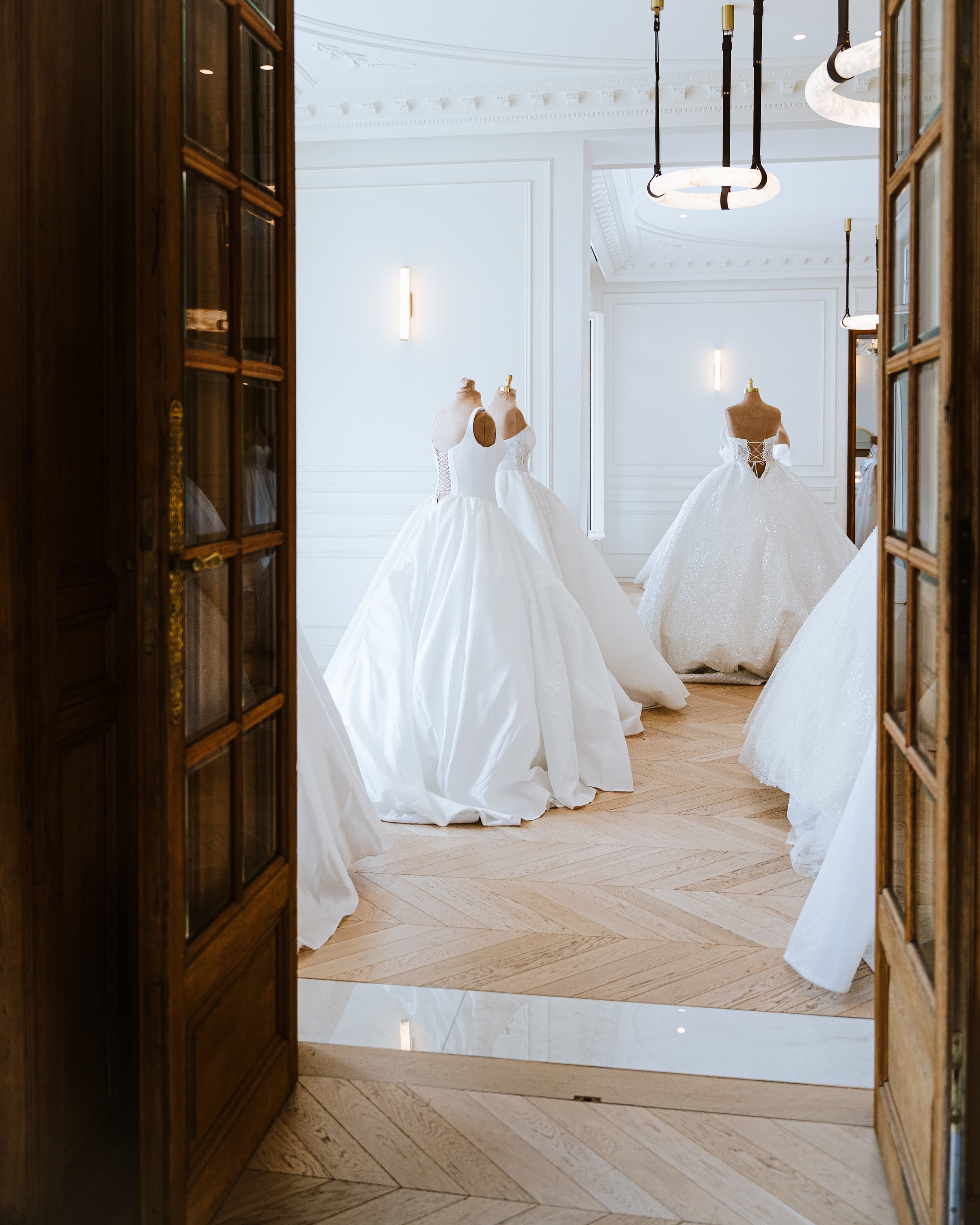
How to Plan Your Wedding in France: A Complete Guide from a Photographer's Perspective (2026)
After years of photographing across Provence — festivals, events, portraits — and working alongside couples preparing for their wedding day, I've seen it all. Flawless organisation. Plans that fell apart. Calm couples. Overwhelmed ones. The question I see most often from newly engaged couples: "Where do we even start?" Here's the guide I wish I could hand to every couple from day one — with a photographer's perspective on every step.
To plan a wedding in France in 2026, the 10 essential steps are: set your total budget (€15,000–€30,000 average in France, €20,000–€40,000 in Provence), choose your date, establish the guest list, find the venue (12–18 months ahead in Provence), book key vendors (photographer, caterer, DJ), select your caterer, choose outfits, order stationery, plan the décor, and finalise the day-of timeline. The ideal planning timeline starts 12–18 months before the wedding. Source: Guillaume Bleyer, wedding photographer based in Marseille.
The 10 Essential Steps to Planning Your Wedding
Step 1: Define Your Total Budget
This comes first — before visiting a single venue or contacting a single vendor. Sit down together and set your numbers: how much can you (and do you want to) invest in your wedding?
Average wedding budgets in France in 2026:
- National average: €15,000–€30,000 for 80–120 guests
- In Provence/PACA: €20,000–€40,000 (destination weddings push prices higher)
Typical budget breakdown:
| Category | Share of budget | Indicative budget (100 guests) |
|---|---|---|
| Venue | 20-30% | €3,000 – €8,000 |
| Catering + drinks | 25-35% | €5,000 – €12,000 |
| Photographer | 10-15% | €1,000 – €3,000 |
| Outfits (dress + suit) | 8-12% | €1,500 – €3,000 |
| Décor + flowers | 5-10% | €800 – €2,500 |
| Music / DJ | 3-5% | €500 – €1,500 |
| Stationery | 2-3% | €300 – €800 |
| Miscellaneous (rings, hair, makeup, transport) | 10-15% | €1,500 – €4,000 |
A photographer's tip: don't put photography last on your priority list. When the wedding is over, the venue will be cleared, the flowers wilted, the dress in storage. What remains are your photos. They're the only vendor deliverable that lasts a lifetime. For a detailed breakdown of photography pricing, read how much a wedding photographer costs in Provence in 2026.
Step 2: Choose Your Date
The date is more strategic than it seems. It determines:
- Venue availability (the best ones book 12–18 months in advance)
- Key vendor availability
- Pricing (peak season vs off-season)
- Weather and light quality
In Provence:
- Peak season (June–September): the most beautiful days, but the highest prices and most in-demand venues. Book 15–18 months ahead.
- Shoulder season (May, October): excellent compromise. Warm weather, gorgeous light, more accessible prices, better availability.
- Off-season (November–April): 20–30% lower rates from many vendors. Shorter days, but Provence's winter light is stunning.
A photographer's tip: the season directly impacts your photos. A June wedding offers a late golden hour (around 9 PM) with long-lasting warm light. An October wedding gives you rich autumnal tones and an earlier sunset (around 7 PM) — perfect for couple portraits before dinner.
Step 3: Establish Your Guest List
Before searching for a venue, you need to know how many people you're hosting. This is often the trickiest conversation for couples.
Some benchmarks:
- Intimate wedding: 20–50 guests (a strong trend in 2026 — see 2026 wedding trends in Provence)
- Medium wedding: 80–120 guests
- Large wedding: 150–250 guests
Create your list in categories: immediate family, extended family, close friends, colleagues. Expect 10–15% to decline. This number determines the venue capacity, catering budget, table plan — essentially everything.
For destination weddings: keep in mind that a higher percentage of guests may decline due to travel. Budget for shuttle transport from the airport and consider on-site accommodation.
Step 4: Find the Venue
This is THE decision that sets the tone for your entire wedding. Château, bastide, mas, vineyard estate, seaside — Provence offers incredible diversity.
What to check:
- Capacity (indoor + outdoor)
- Rain and Mistral wind backup plan
- On-site or nearby accommodation for guests
- Noise curfew restrictions (very important in France — many venues enforce midnight or 1 AM curfews)
- Vendor flexibility (some venues require their in-house caterer)
- Accessibility from Marseille-Provence Airport
A photographer's tip: visit the venue at the time of your planned ceremony. Light changes dramatically throughout the day. A stunning estate at noon can be completely in shadow by 6 PM. Also ask yourself: where are the spaces for couple photos? Is there variety — shade, light, greenery, architecture?
For inspiration, discover the best wedding venues in Provence and the top 10 wedding venues in Marseille.
Step 5: Book Key Vendors
Once the date and venue are set, book your priority vendors quickly. In Provence, the best ones fill up fast for peak season.
Recommended priority order:
- Caterer — especially if the venue requires one or you have a favourite
- Photographer — a photographer can only cover one wedding per day. Peak Saturday dates book 8–12 months in advance
- DJ / musicians — very in-demand on summer Saturdays
- Videographer — if you want one
- Florist / decorator
- Wedding planner — highly recommended for destination weddings
A photographer's tip: when choosing your photographer, ask to see full wedding galleries — not just the portfolio highlights. The style should resonate with you, but the human connection matters just as much. This person will spend 10+ hours with you on the most important day of your life. For pricing guidance, read how much a wedding photographer costs in Provence.
Step 6: Catering and the Wedding Cake
Catering is typically the biggest budget item (25–35%). In Provence, you have access to exceptional gastronomy.
Options:
- Traditional caterer: set menu served at table (€80–150/person)
- High-end caterer: gastronomic menu, local produce, food-and-wine pairings (€150–250/person)
- Food trucks / cocktail reception: a rising trend, more relaxed (€50–100/person)
Don't forget the cake, drinks (wine, champagne, soft drinks), and the morning-after brunch if you're planning a weekend celebration.
A photographer's tip: the cake cutting is one of the most photographed moments. Choose a cake that looks as good as it tastes — decorated wedding cakes, croquembouche towers, and naked cakes with fresh flowers are all incredibly photogenic.
Step 7: Outfits
A wedding dress takes time: between fittings, alterations, and delivery, allow 6–9 months. For the groom's suit, 3–4 months is usually sufficient.
What photographs beautifully:
- Flowing fabrics that move with the wind (crepe, chiffon, tulle)
- Dresses with lace or embroidery details that catch the light
- Well-tailored suits in tones that contrast with the surroundings
- Subtle but striking accessories (veil, earrings, cufflinks)
A photographer's tip: if you're wearing pure white, avoid photos in direct midday sun — white fabric overexposes easily and loses all its detail. Soft morning light or golden hour light will make your outfit look infinitely better.
Step 8: Stationery
Your invitations set the tone. In 2026, the trend is elegant minimalism: refined typography, soft colours, textured paper.
Stationery timeline:
- Save the dates: 8–10 months before
- Invitations: 4–6 months before
- Menus, place cards, table plan: 1–2 months before
Stationery is also an element your photographer will capture in detail shots — invitations laid next to the rings, menus on the plates, the floral table plan. Think of it as a visual element of your day.
Step 9: Décor
In Provence, nature does half the decorating for you. Olive trees, golden stone, lavender, vineyards — the environment is your greatest décor ally.
2026 décor trends:
- Terracotta, sage and plum colour palette (warm, natural tones)
- Local seasonal flowers rather than imported ones
- Natural materials: linen, wood, stone, rattan
- String lights in the trees
- Candles and lanterns for the evening ambiance
A photographer's tip: the details you choose with care are the details I'll photograph. Rings on a lavender cushion, the bouquet resting against a rustic wooden door, hand-calligraphed table numbers — these small elements tell your story as much as the big moments. And think about lighting: candles and string lights create magical atmosphere in evening photos.
Step 10: The Day-of Timeline
The schedule is crucial. A good timeline lets everyone enjoy the day stress-free — including you.
A typical timeline:
- 10 AM–12 PM: Getting ready (hair, makeup, dressing)
- 2 PM: First look or departure for the ceremony
- 3 PM: Ceremony
- 4 PM: Cocktail hour + group photos
- 5–5:30 PM: Couple portraits (if sunset is around 6 PM)
- 6:30–7 PM: Dinner begins
- 8:30–9 PM: Golden hour couple session (if sunset is around 9 PM in summer)
- 10 PM: Cake, first dance
- 10 PM–2 AM: Party
A photographer's tip: build in 20–30 minutes for couple portraits during golden hour. This is the most important moment for your photos. Schedule it into the timeline and inform your caterer and DJ. It's often during these stolen minutes away from guests, in the golden Provençal light, that the most iconic images of your wedding day are created.
Summary Checklist
| Step | When | Indicative budget | Photography tip |
|---|---|---|---|
| Budget | As soon as you're engaged | — | Allocate 10–15% to photography |
| Date | 15–18 months before | — | June = late golden hour; October = warm tones |
| Guest list | 12–15 months before | — | Fewer guests = more time for photos |
| Venue | 12–18 months before | €3,000 – €8,000 | Visit at ceremony time for the light |
| Key vendors | 8–12 months before | Varies | Photographer: review full galleries |
| Catering + cake | 8–12 months before | €5,000 – €12,000 | Choose a photogenic cake |
| Outfits | 6–9 months before | €1,500 – €3,000 | Flowing fabrics; avoid white in harsh sun |
| Stationery | 4–8 months before | €300 – €800 | Part of your detail shots |
| Décor | 3–6 months before | €800 – €2,500 | Warm tones, candles, string lights |
| Day-of timeline | 1–2 months before | — | 30 min golden hour is non-negotiable |
Common Mistakes to Avoid
After years of photographing weddings in Provence, here are the mistakes I see most often.
1. Not allowing enough time for photos. Group photos take 30–45 minutes for 100 guests. Couple portraits need 20–30 minutes. If this isn't scheduled, you end up rushing between courses with visible stress on everyone's face.
2. Scheduling the ceremony at noon. In Provence from June to August, the midday sun is harsh. Hard shadows under eyes, guests squinting, makeup melting. A 3–4 PM ceremony means softer light, more comfortable temperatures, and better photos.
3. No rain backup plan. The Mistral wind can arrive even in peak summer. Rain is rarer but can surprise in spring and autumn. Make sure your venue has a quality indoor space for both the ceremony and the meal.
4. Booking the photographer too late. A photographer can only cover one wedding per day. Peak Saturdays from June to September book 8–12 months ahead in Provence. Wait 3–4 months before, and the best ones will already be taken.
5. Trying to control everything on the day. The timeline is a guide, not a contract. The best moments are often unplanned — a burst of laughter during the speeches, a spontaneous dance, an unexpected sunset. Leave room for spontaneity.
Planning Timeline: 12 Months to Your Wedding Day
12–18 months before:
- Define the budget
- Set the date
- Book the venue
- Start the guest list
9–12 months before:
- Book photographer, caterer, DJ
- Hire a wedding planner (highly recommended for destination weddings)
- Start dress shopping
- Send save the dates
6–9 months before:
- Book florist and decorator
- Order the rings
- Choose the groom's suit
- Plan the hen/stag do
3–6 months before:
- Send invitations
- Finalise the menu with the caterer
- Order stationery (menus, place cards)
- Schedule the engagement session with your photographer (if included)
1–3 months before:
- Confirm all vendors
- Create the detailed day-of timeline
- Final dress fitting
- Write your vows and speeches
The final week:
- Confirm last details with each vendor
- Pack an emergency kit (pins, tissues, stain remover, phone charger)
- Delegate day-of coordination to someone you trust (or your wedding planner)
- Breathe. You've prepared everything. Enjoy it.
Legal Requirements for Getting Married in France
If you're planning a destination wedding in France, you should know that French law requires at least one spouse to have resided in the commune for a minimum of 40 consecutive days before the civil ceremony. Required documents include birth certificates (translated and apostilled), valid ID, proof of residence, and a certificate of celibacy.
The practical solution for international couples: most complete their legal marriage in their home country and then hold a beautiful symbolic ceremony in Provence. This avoids the residency requirement and allows you to focus entirely on the celebration. Your wedding planner can help you navigate the specifics for your nationality.
American couples: see our dedicated guide to getting married in France as an American for the US-specific documents, apostilles and budget in dollars.
Planning your wedding in France or Provence? As a local wedding photographer based in Marseille, I'd love to be part of your journey. Whether your wedding is 18 months away or 6 months away, it's always the right time to start the conversation. Get in touch →
Shall we talk?
Planning your wedding in Provence? I’d love to hear about your project and be there to capture every moment of your day.
Get in touchKeep reading
Related articles
Getting Married in France as an American: The Complete 2027 Guide
Planning a wedding in France as an American couple? A France-based photographer explains the legal steps, real budget in dollars, best regions and how to plan from the US.
Wedding Photographer and Planner: The Duo That Makes Your Day
Why the photographer + wedding planner duo is essential to a successful wedding, told by a photographer through a real collaboration: the Mas de Toulair editorial shoot.
Wedding Photo and Video: Do You Really Need Both?
Photo, film, or both for your wedding? What each one captures, how they differ, what to budget in 2026, and why coordination between the two changes everything.